Blog ·
Why Handcrafted Furniture Stands the Test of Time
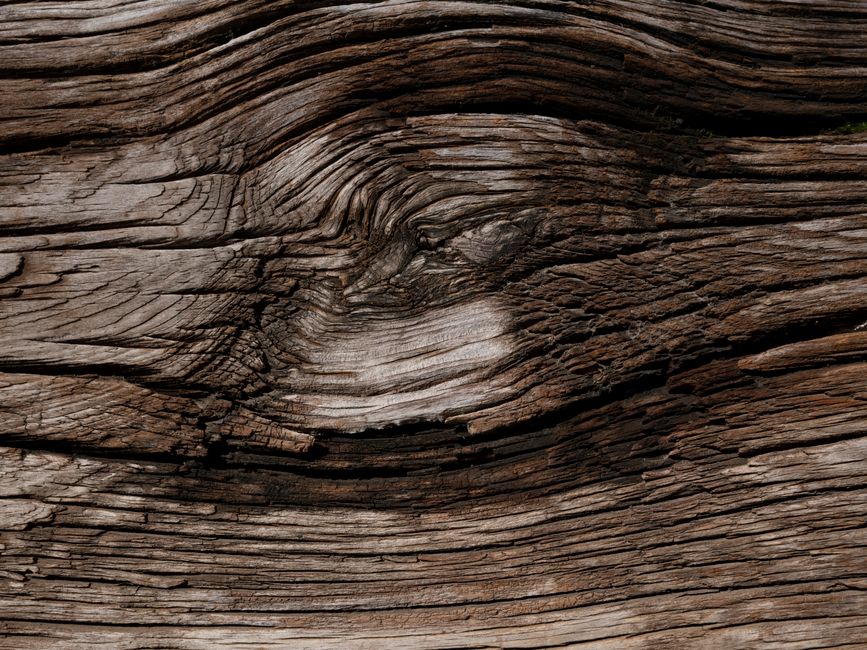
Handcrafted furniture represents an investment in quality that transcends trends and seasons. When master woodworkers create pieces by hand, they employ techniques refined over decades or even centuries, building furniture designed to endure and improve with age.
The difference between mass-produced and handcrafted furniture begins with materials. Handcrafted pieces use solid wood selected for grain character, stability, and beauty. Master woodworkers understand wood movement—how different species expand and contract with humidity—and design joints that accommodate these natural changes. Veneer, particleboard, and laminated materials common in factory production simply cannot replicate this resilience.
Craftsmanship That Compounds Value
Handcrafted furniture uses traditional joinery techniques like mortise and tenon joints, dovetails, and tongue-and-groove construction. These methods create connections stronger than nails or staples and allow pieces to be repaired and refinished indefinitely. A handcrafted table leg can be replaced if damaged; the whole structure doesn't become landfill waste.
Master woodworkers adjust their techniques to each piece's specific needs. They consider the wood's natural color variation, grain direction, and movement patterns. They hand-select drawer slides, hinges, and hardware for longevity and smooth operation. These details compound into furniture that functions beautifully after decades of daily use.
Finish matters too. Hand-applied stains and oils penetrate wood grain and develop character over time, deepening with age and use. Unlike factory lacquers that chip and crack, carefully applied finishes protect wood while allowing its natural beauty to shine and evolve.
The environmental case for handcrafted furniture is compelling. A piece built to last fifty years is environmentally superior to replacing mass-produced furniture every five years. Handcrafted items rarely end up in landfills; they're refinished, reupholstered, or passed to the next generation.
When you buy handcrafted furniture, you're not just acquiring an object—you're gaining a story. You know something about how it was made, who made it, and why those choices matter. You can sit at a dinner table and recognize the craft in how it catches light, feels smooth under your hands, and holds together without wobbling.
This enduring quality transforms handcrafted furniture from expense to inheritance. It's the piece that your children know by feel and memory, that anchors your home through different chapters of life.