Blog ·
Selecting Wood Species for Your Custom Furniture
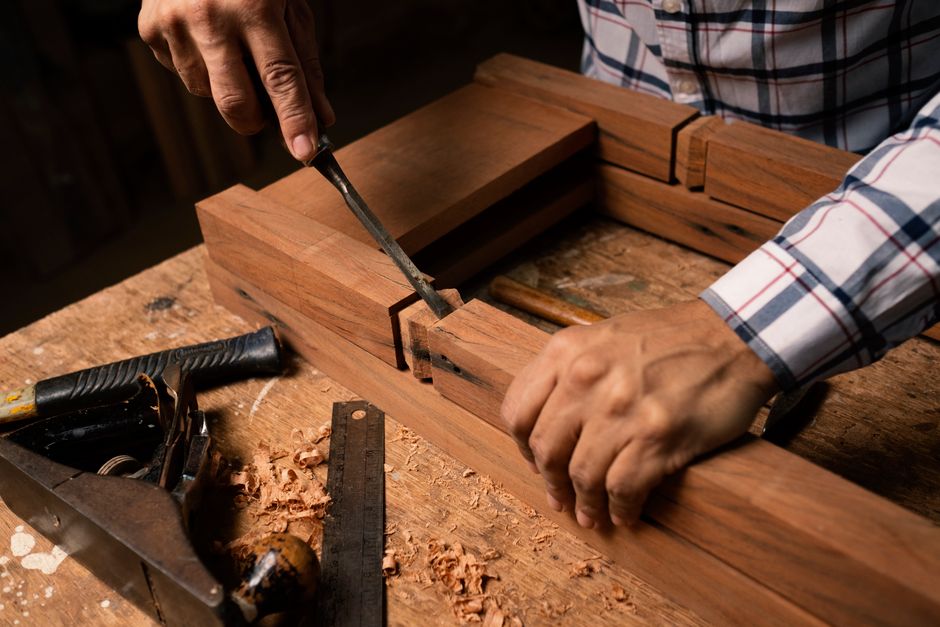
Choosing the right wood species is one of the most important decisions when commissioning bespoke furniture. Different woods offer distinct characteristics that affect appearance, durability, and how the piece will age. Understanding these qualities helps you create furniture perfectly suited to your home and lifestyle.
Common Wood Species and Their Characteristics
Walnut is prized for its rich chocolate brown tones and fine, even grain. It's strong and stable, making it ideal for tables and case furniture. Walnut responds beautifully to hand finishing and tends to deepen in color over time.
Oak features prominent grain patterns and warmth. It's durable and takes stain well, offering flexibility in finishing. Quarter-sawn oak displays striking ray fleck patterns that add visual interest to larger surfaces.
Maple is light in color with subtle grain, providing a clean, contemporary appearance. It's extremely hard and resists dents, making it excellent for surfaces that will see heavy use.
Cherry has a fine, even grain and natural reddish tones that develop deeper patina over years. It's moderate in hardness and finishes to a warm, inviting appearance.
Ash offers light color with clear grain definition and flexibility. It's strong yet workable, often chosen for pieces requiring elegant curves or detailed joinery.
Practical Considerations
Consider your space's lighting and existing elements. Lighter woods like maple and ash brighten spaces and pair with modern design. Darker woods like walnut add richness to traditional settings. Some species are better suited to kitchens and bathrooms where moisture is present; your woodworker will guide you based on your room's conditions.
Think about your lifestyle. Do you have young children or active pets? Harder woods resist damage better. Are you comfortable with wood's natural patina developing, or do you prefer consistent appearance? Some species age dramatically; others remain stable.
Grain pattern preference matters aesthetically. Prominent grain adds character and movement to a piece; subtle grain creates elegant simplicity. Wider boards showcase grain more dramatically than narrow pieces.
Cost varies by species availability and workability. Rare woods command premium prices, while domestic species offer value without sacrificing quality. Master woodworkers know how to showcase each species' unique beauty at different price points.
The best approach is discussing wood options with your craftsperson during initial consultations. They understand which species suit your design, your space, and your priorities. Their expertise combined with your preferences creates furniture that looks like it was always meant for your home.